Testing Your Whole House Unit System
Automatic Generators: Your Reliable Solution for Continuous Electricity
Automatic generators provide crucial protection when the power goes out. The generators work flawlessly, activating within seconds after a power loss. Running on diverse fuels, the generators ensure homes and businesses remain operational when disaster strikes. Yet, understanding their benefits and features is essential for making a sound choice. Which factors must be reviewed prior to purchasing this type of unit? The subsequent parts examine these vital considerations.
How Standby Generators Work: The Functionality

Automatic generators are vital systems which deliver instantaneous reserve energy during power losses. They are typically installed on the exterior of the property, linked to the main wiring and running on gas, propane, or diesel. Should the power fail, the system recognizes the lack of power and starts up instantly. This mechanism requires a specialized transfer switch, which disconnects the home from the grid and links it to the backup unit
(Portland Standby Generators)The unit subsequently generates power, providing energy to critical systems or the whole building, relative to its output. Most standby generators feature a built-in monitoring system that confirms optimal performance and upkeep. The generators function for prolonged times, providing a reliable power source until the main grid is back online. Grasping how backup generators work helps homeowners appreciate their role in improving power reliability and lessening outages during unexpected outages
Advantages of Owning a Backup System
Trustworthiness is a key feature when putting in a backup system, as it guarantees an uninterrupted power supply when the power fails. This essential feature assures that facilities stay running, protecting valuable assets and preserving convenience. Furthermore, backup systems boost security by preventing power outages that could lead to hazardous situations, such as frozen pipes or medical equipment failures.
Value for money is a further advantage; while the upfront cost may be significant, the future financial benefits from minimizing spoilage, business interruption, and urgent maintenance can be remarkable. Moreover, standby generators boost the home's worth, positioning them as an attractive feature for future homeowners.
The ease of use is also important, as they turn on automatically during an outage, removing the necessity for manual intervention. This smooth performance enables homeowners to maintain their daily routines without hiccups. Overall, installing a standby generator delivers reassurance, assuring that power is always available when needed most.
Important Attributes to Consider in a Generator Unit
When choosing a standby generator, multiple important characteristics should be considered to ensure optimal operation and appropriateness for individual requirements. Initially, the power output is vital; prospective owners must figure out the needed capacity to run critical equipment during an outage. Additionally, the type of fuel—whether natural gas, propane, or diesel—influences operation and long-term expenditures.
Another important feature is the transfer switch, which allows for effortless switching and boosts reliability. The robustness and construction quality are also important; a robust generator can handle severe elements.
In addition, how loud it is needs evaluation, as less noisy generators are ideal for residential areas. A few units provide auto-start functions, adding comfort during sudden power failures. To conclude, warranty and service options must be examined, providing reliable support and maintenance. By evaluating these features, potential purchasers can select a standby generator that meets their unique power needs effectively.
Factors to Consider Before Purchase
Before committing to a standby generator, potential buyers should carefully evaluate multiple critical elements to confirm they arrive at an well-considered conclusion. Portland Standby Generators. Initially, they must determine their wattage demands by estimating the needed power to operate critical systems during an outage. Following this, the fuel type is vital; choices are natural gas, propane, or diesel, each possessing specific upsides and availability considerations
Furthermore, purchasers must evaluate the generator's transfer switch, which allows for smooth energy changeover. Installation necessities are crucial factors, as some generators may necessitate professional installation or obtaining necessary permits
Warranty and service options deserve close attention, because they influence long-term satisfaction. To conclude, those considering a purchase must check the generator's noise levels, above all if they are located in residential areas. When reviewing these aspects, buyers are able check now to choose a backup power unit that fulfills their unique needs and expectations
Standby Generator Maintenance Guide
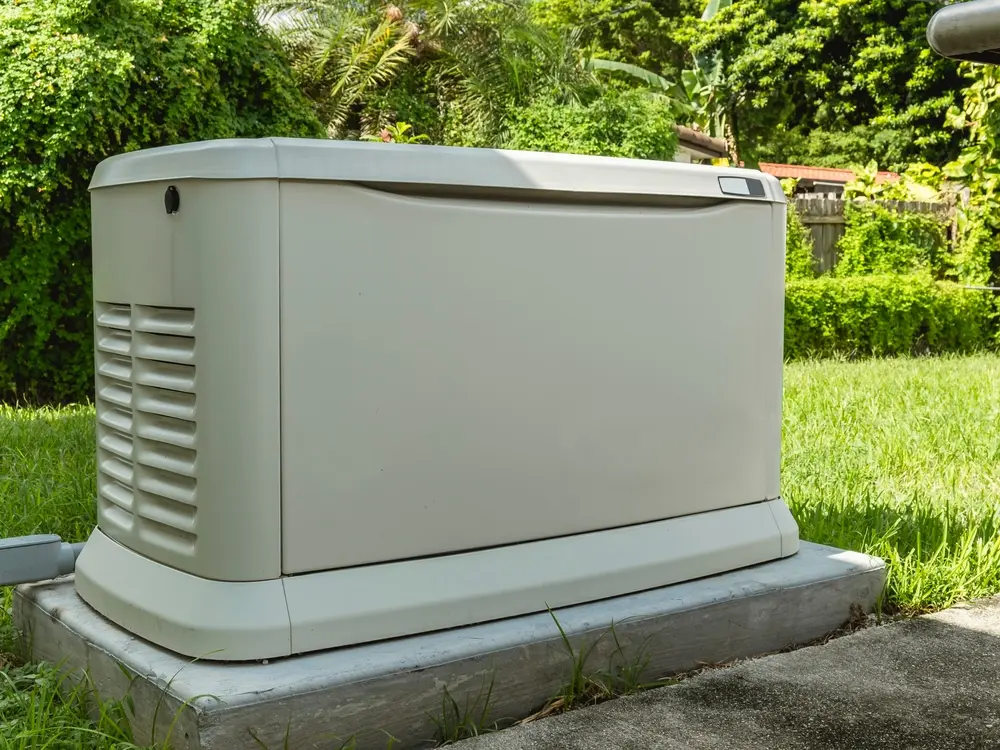
Regular maintenance is essential for guaranteeing ideal performance and the long life of a backup generator. Begin by checking the oil level in the unit, and replace the oil and filter according to the manufacturer's recommendations. Inspect the air filter often and change it when needed to guarantee optimal airflow. You should also test the battery cleaning corrosion from the terminals to keep the starting power consistent.
Perform load tests regularly to ensure the unit can bear the capacity it is rated for. Additionally, verify that the exhaust system is free of obstructions and leaks. Ensuring the generator is clean and clear of debris can prevent the unit from overheating and having other issues.
Finally, schedule professional maintenance at least once a year to fix any issues that might arise and conduct thorough checks. Following these maintenance tips can greatly extend the lifespan of a standby generator, offering reassurance during power outages.
FAQs
What is the Typical Price of Standby Generators?

Backup generators usually range between $2,000 and $15,000, based on elements like the brand, power output, and complexity of installation. Other expenditures might cover maintenance, permits, and the cost of fuel tanks, influencing the overall investment required.
Am I Able to Install a Standby Generator on My Own?
It is possible to install a standby generator yourself, but you must have knowledge of electrical systems and local codes. Many recommend hiring a professional to guarantee safety, conformance, and the best operation of the generator installation.
Which Types of Fuel Power Standby Generators Use?
Standby generators typically use fuels such as diesel, natural gas, propane, or gasoline. Portland Standby Generators. The choice of fuel is frequently influenced by the cost, availability, and particular power requirements, influencing the efficiency and performance of the generator
Do I Need Permits for Installation?
Permits are frequently necessary for the installation of standby generators. Regulations vary by location, so it is essential for homeowners or contractors to check with local governing bodies to verify conformance with all relevant codes and requirements.
For What Duration Can a Standby Unit Operate Continuously?
A standby generator can run continuously for varying durations, usually between 24 and 48 hours, contingent upon the demands and the fuel source. Regular maintenance guarantees peak performance and longevity during prolonged periods of use.